
Watercolour is often associated only with paint, water, and paper, but in reality there are many additives and mediums that can alter the behaviour of colour and open up new techniques. Some help achieve greater control, while others add texture, transparency, or special effects.
Although mediums are not essential in watercolour painting, they can significantly expand creative possibilities and make experimenting even more exciting.
Masking Fluid
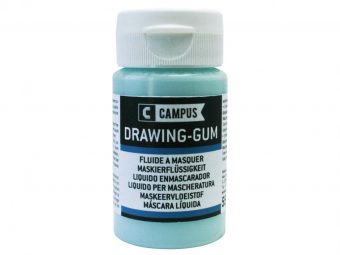
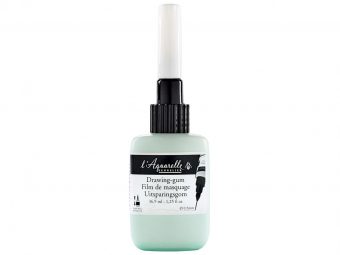
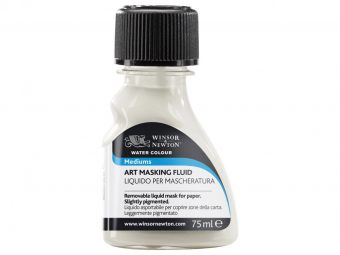
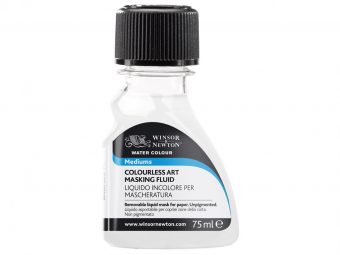
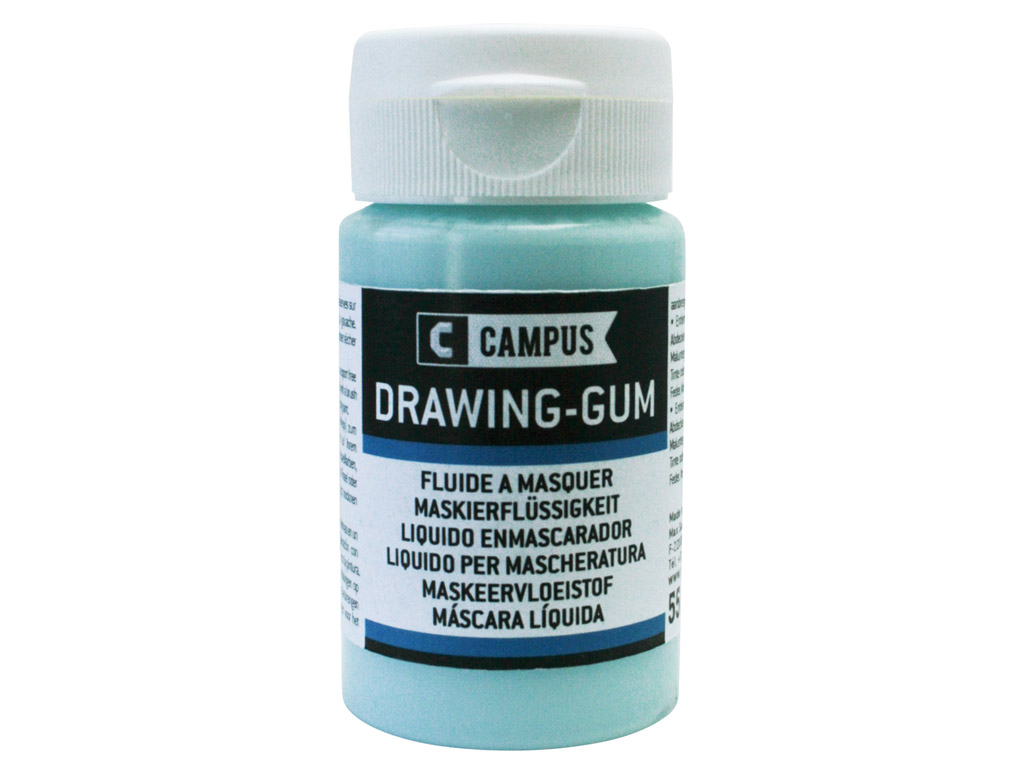
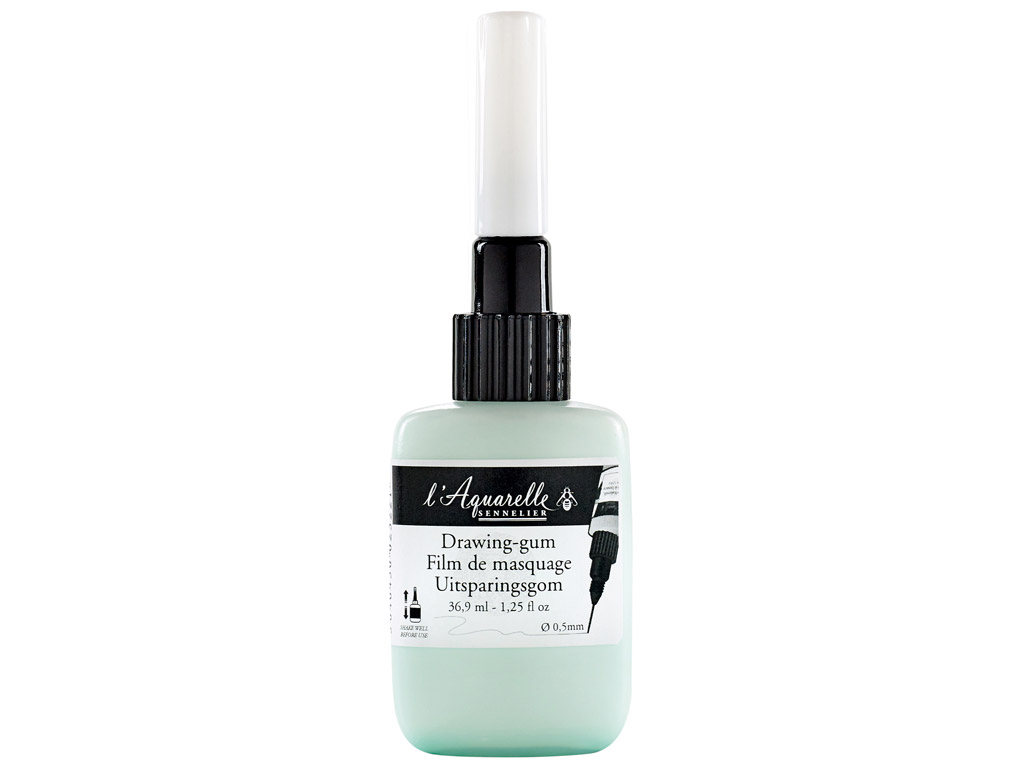
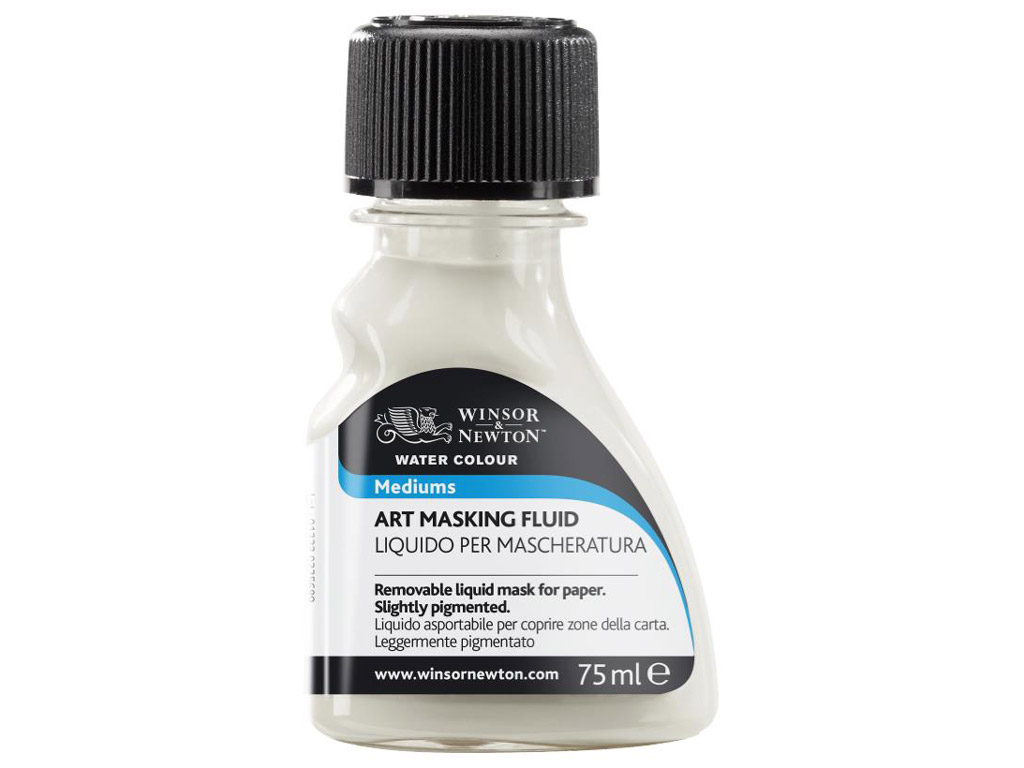
Masking fluid is one of the best known watercolour additives and is used to temporarily cover areas while painting. Most commonly, it is used to preserve the white of the paper, but its possibilities extend much further.
Masking fluid helps keep different areas and details clearly separated and is often used for highlights, raindrops, and other fine details. It can also protect already painted areas when you want to preserve an underlying colour or motif beneath additional layers of paint. It can be especially useful for protecting the edges of foreground objects before painting the background.
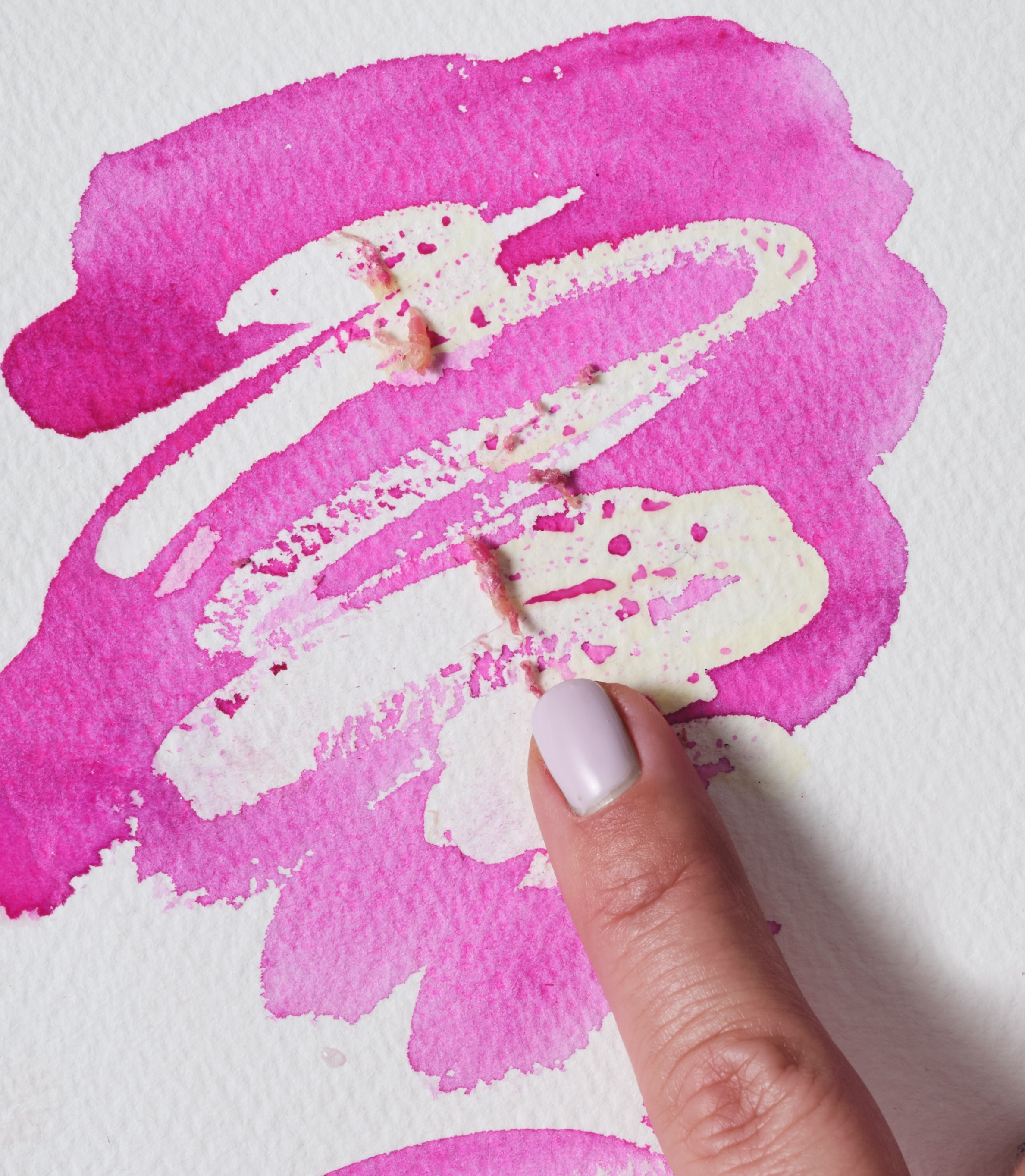
Masking fluid is applied to dry paper or a completely dry painted surface and should be allowed to dry fully before painting begins. Once the work is finished, the masking fluid is carefully removed by gently rubbing it away with a finger or a clean eraser until the protected surface underneath is revealed.
Patience is important during removal. Masking fluid should only be removed once both the paint and the fluid itself are completely dry. Removing it too early may damage the paper surface or tear its top layer. It is also best not to leave works containing masking fluid in direct sunlight for extended periods, as this can make the fluid much more difficult to remove later.
Older brushes are often used for applying masking fluid, since the drying fluid can damage brush hairs. Silicone brushes are also an excellent alternative, as dried masking fluid can simply be rubbed off and the tools are very easy to clean. If you use an older brush for masking fluid, it is helpful to coat the bristles lightly with soap beforehand. This makes dried masking fluid much easier to wash out afterwards.
Mediums That Change the Behaviour of Paint
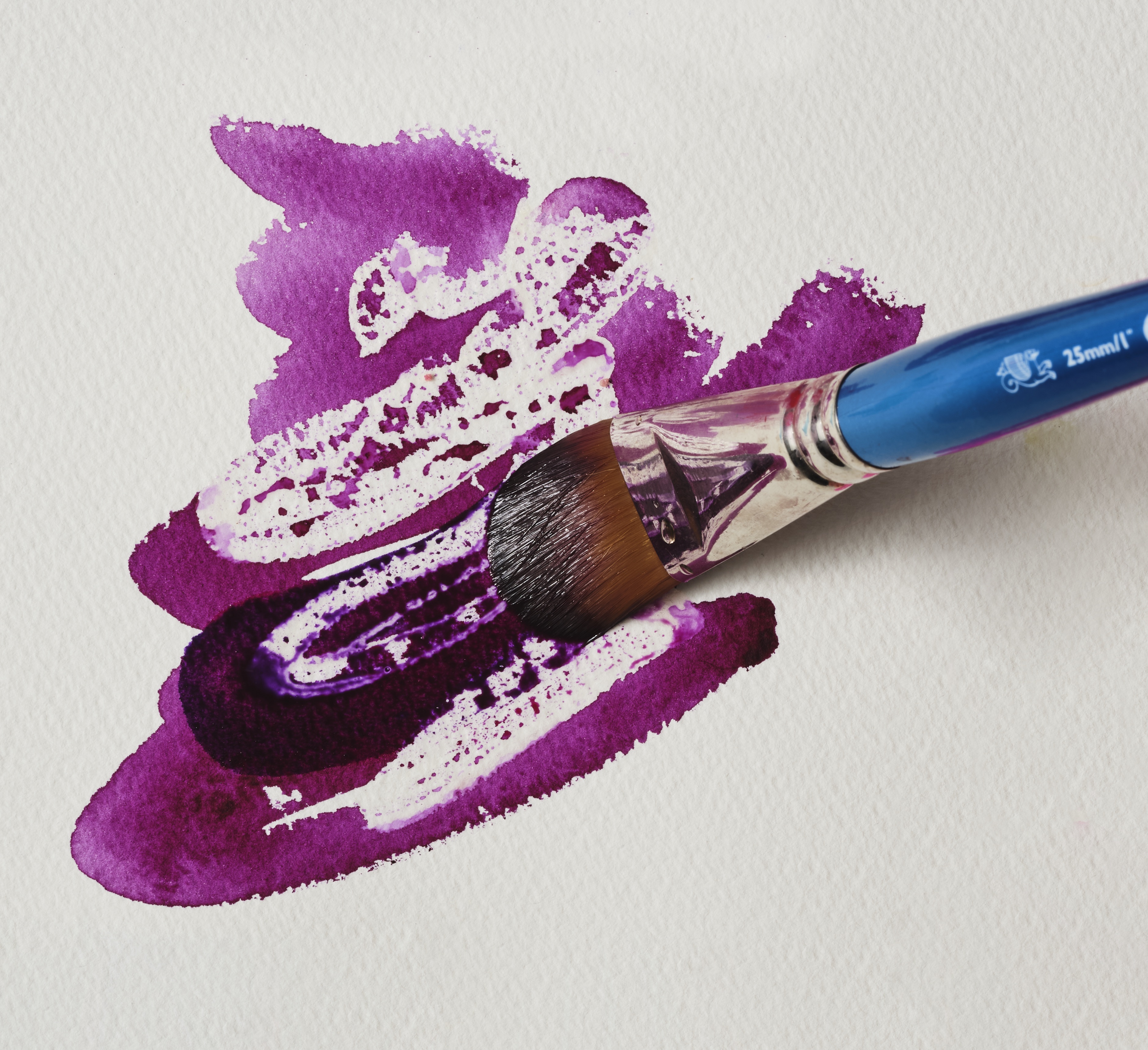
Watercolour mediums allow artists to alter how paint moves, dries, or reacts to light on paper. Some help create softer transitions, while others add texture or improve paint flow. Most are used in small amounts, either mixed directly into the paint or through the painting water itself.
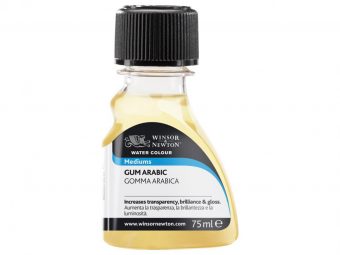
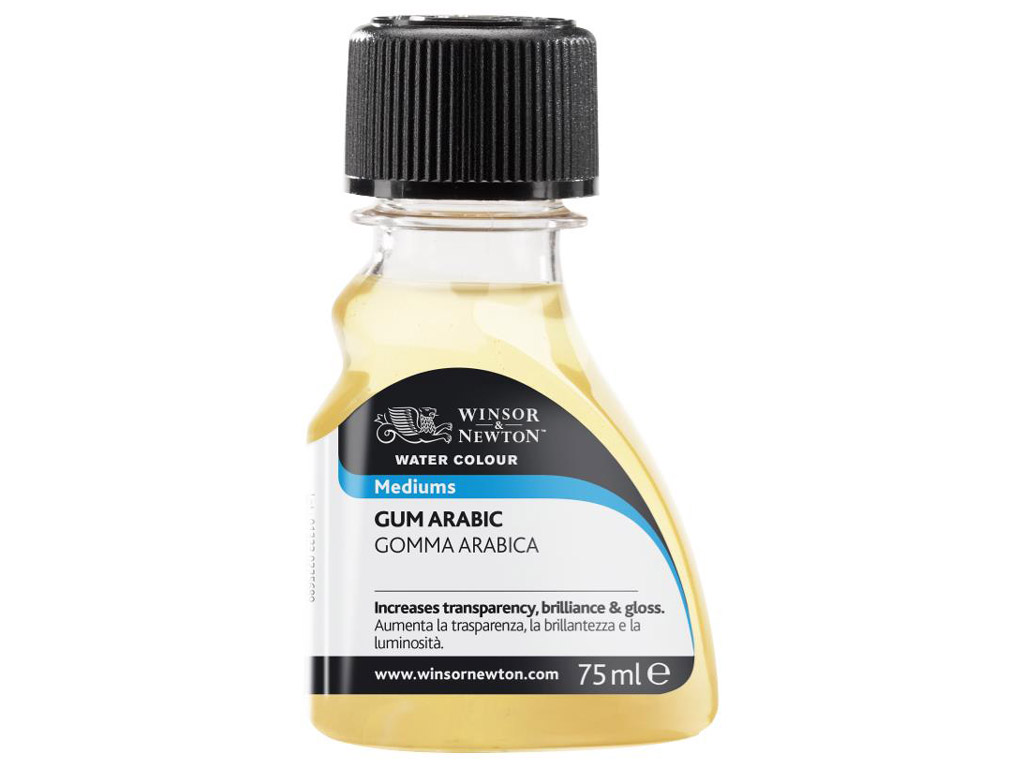
- Gum Arabic increases transparency and gloss while helping colours appear richer and more vibrant. It can also slow drying time, allowing more time for blending and creating soft transitions.
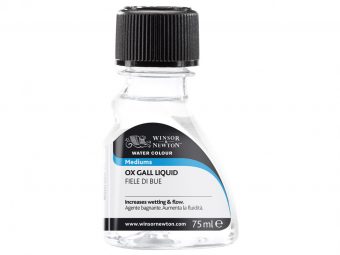
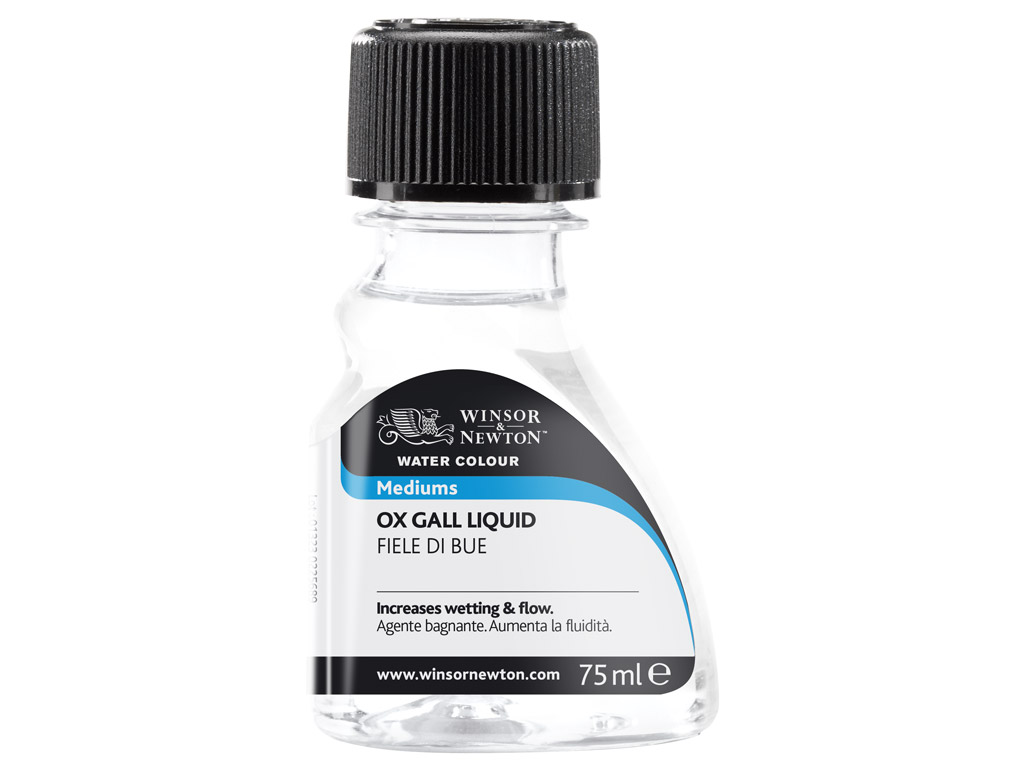
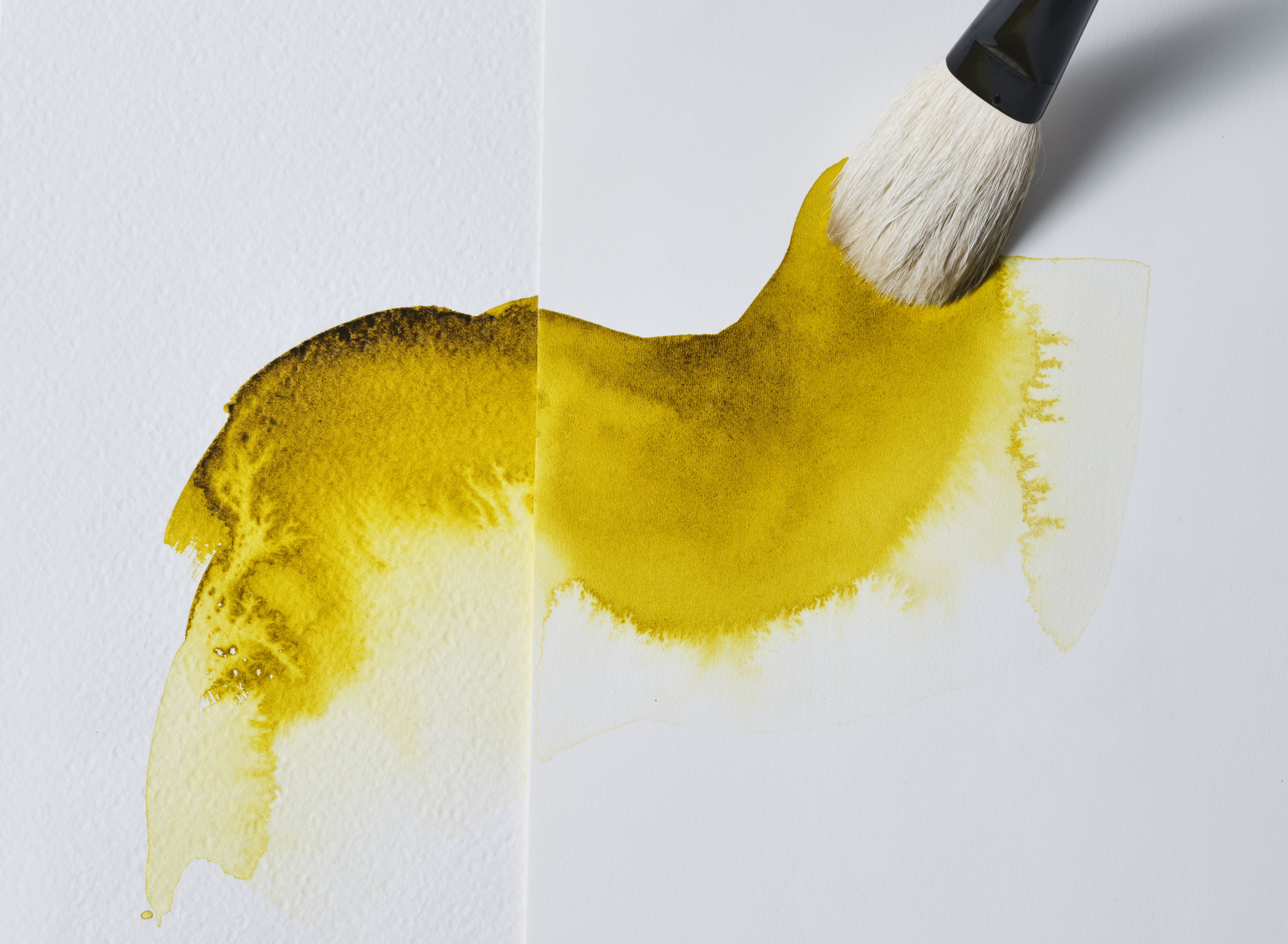
- Ox Gall medium improves paint flow and reduces the surface tension of water, helping colour move more evenly across the paper. It is usually added in very small amounts to brush water rather than mixed directly into paint. Ox Gall can be especially useful when painting large even washes or when colour tends to dry unevenly and gather in spots.
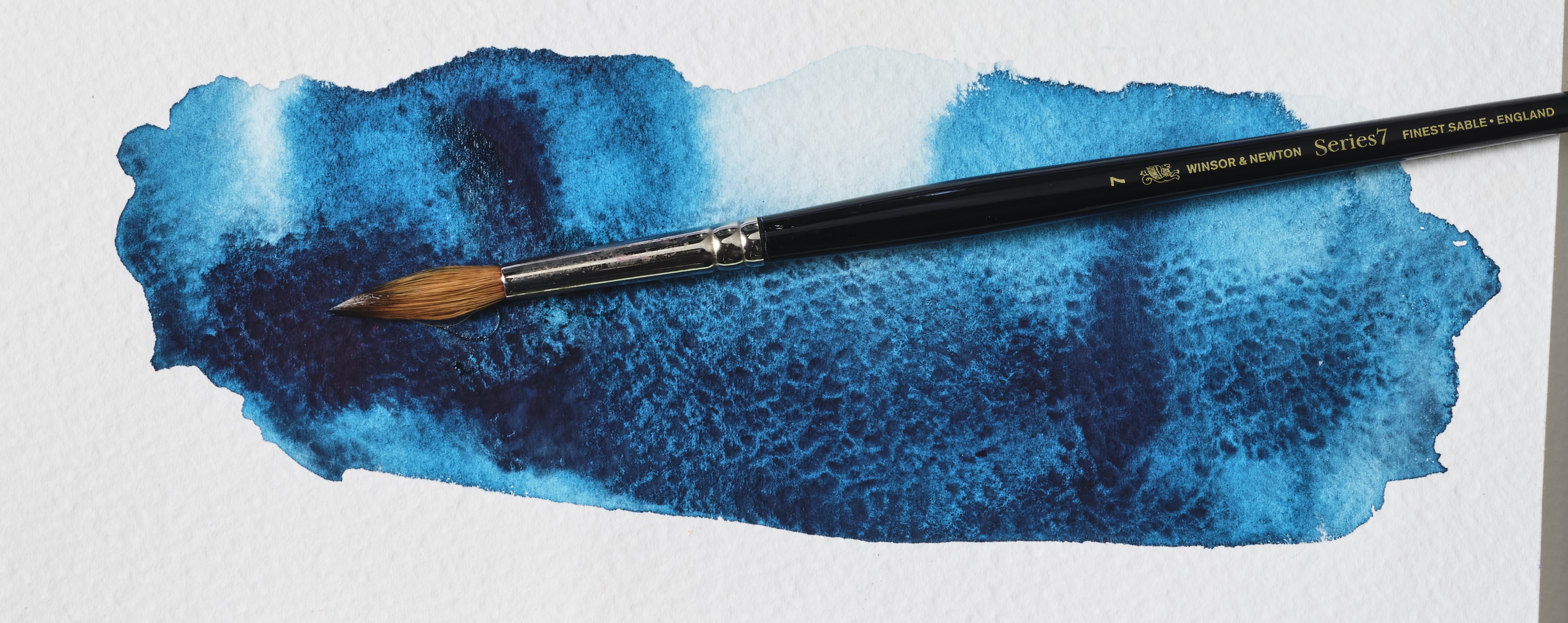
- Granulation medium affects how pigment settles while drying and helps emphasise the characteristic granulating texture of watercolour. It can make painted surfaces feel more lively and add natural variation, especially in landscapes and backgrounds.
- Texture medium adds physical texture to watercolour by creating a rougher surface where pigment naturally gathers while drying. This allows artists to achieve interesting organic and stone like textures without using mixed media techniques.
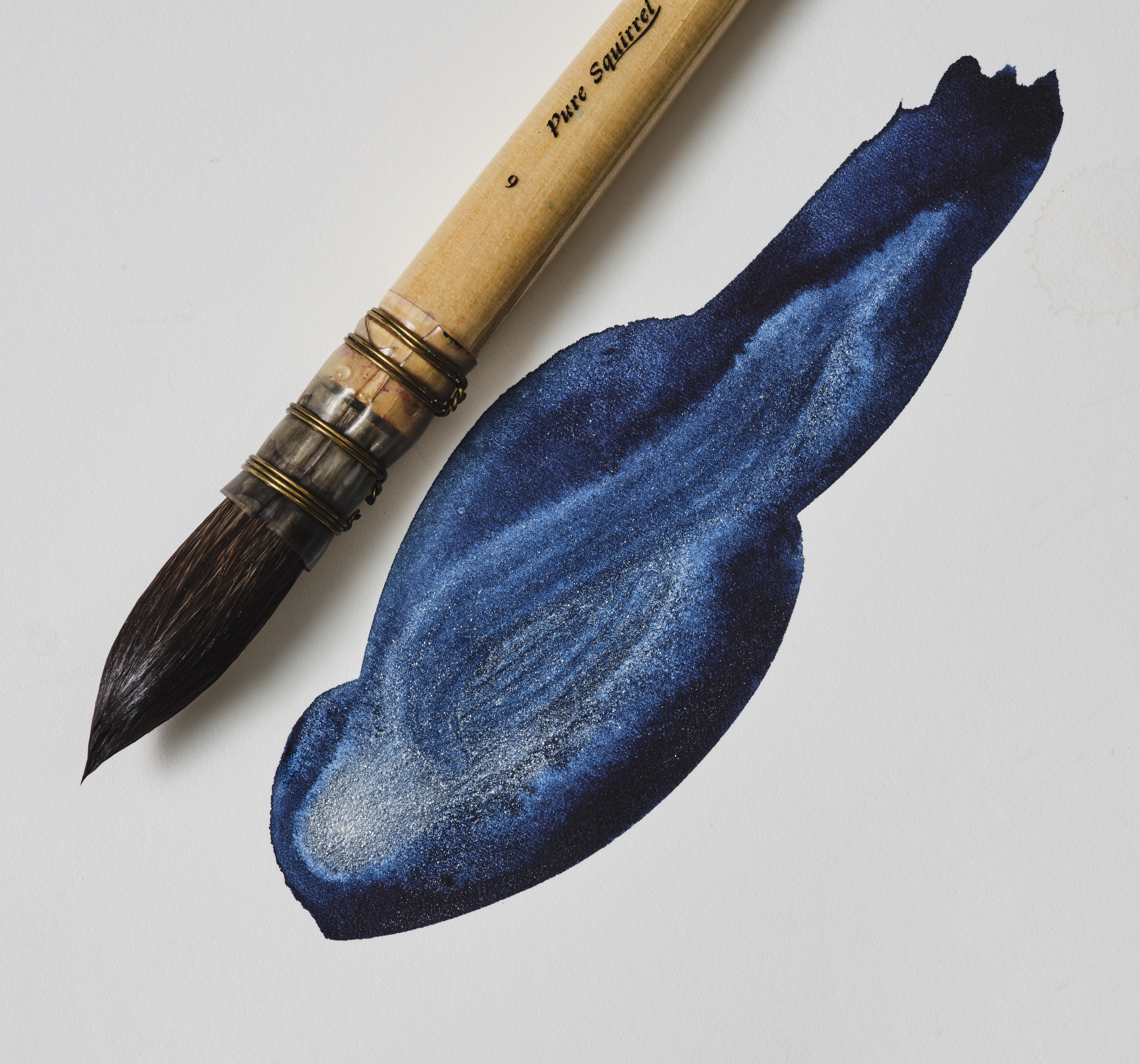
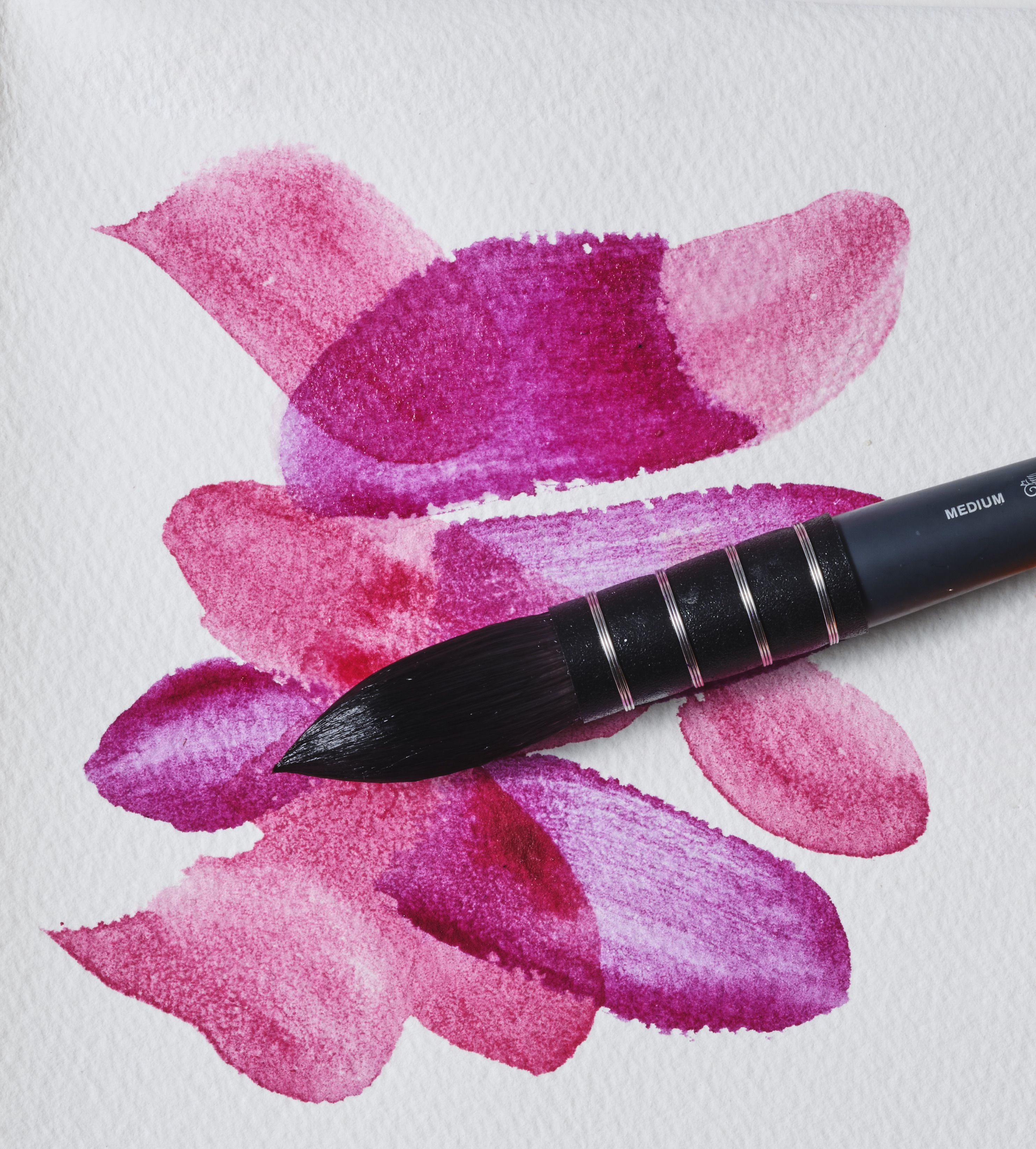
- Iridescent medium gives paint a subtle pearlescent shimmer and changes the way light reflects from the surface. It is often used to emphasise details or create decorative effects.
- Aquapasto allows watercolour paint to be used in thicker applications than usual. It creates a more paste like consistency and makes it possible to achieve raised textures and visible brush marks that are not typical of traditional watercolour.
Different mediums can also be combined when needed, but because they influence paint behaviour in different ways, it is best to start with small amounts and test the results on scrap paper first.
Are Watercolour Additives Necessary?
Watercolour works beautifully with nothing more than paint, water, and paper, and mediums are not essential to the technique. Often, good paper, a suitable brush, and a willingness to experiment are all that is needed.
At the same time, different additives can help create effects that would be difficult to achieve using only water and paint. They offer ways to alter the behaviour of watercolour, add texture, or discover entirely new techniques.
This is exactly why mediums are especially popular among artists who enjoy experimenting and developing their usual working methods further.