
The range of textile paints is wider than you might think. In addition to classic textile paints, there are markers, printing inks, spray paints and even products that allow you to use familiar art materials on fabric. In this Textile 101 post, we take a closer look at the different options for painting and drawing on fabric and what you should know before getting started.
What is textile paint?
Fabric is a flexible material that is worn, folded and washed. This means that any paint applied to it needs to move with the fabric and adhere properly to its fibres.
Specialised textile paints are designed specifically for use on fabric. Depending on the product, they may penetrate deeper into the fibres or form a more opaque layer on the surface. Once properly dried and fixed, textile paints can withstand washing, while the right type of paint also helps preserve the flexibility of the fabric.
Regular artists’ paint may not give the same result on fabric. Acrylic paint, for example, can become stiff when dry and make the surface of the fabric feel hard. However, this does not mean that you have to give up the wide range of colours available in acrylic paints when working on textile projects. With a suitable medium, acrylic paint can be adapted for use on fabric. We will take a closer look at this below.
What type of fabric are you painting on?
Before choosing a paint, it is worth checking what the fabric is made from. Many textile paints work best on natural fibres such as cotton and linen, although some can also be used on blended fabrics. The higher the proportion of synthetic fibres in a blend, the more important it is to check the instructions for the specific paint.
The colour of the fabric also affects your choice of paint. Many textile paints are translucent, which means that the underlying fabric influences the final result. Colours remain bright and clearly visible on light fabrics, while on dark fabrics they may become less visible or lose some of their intensity.
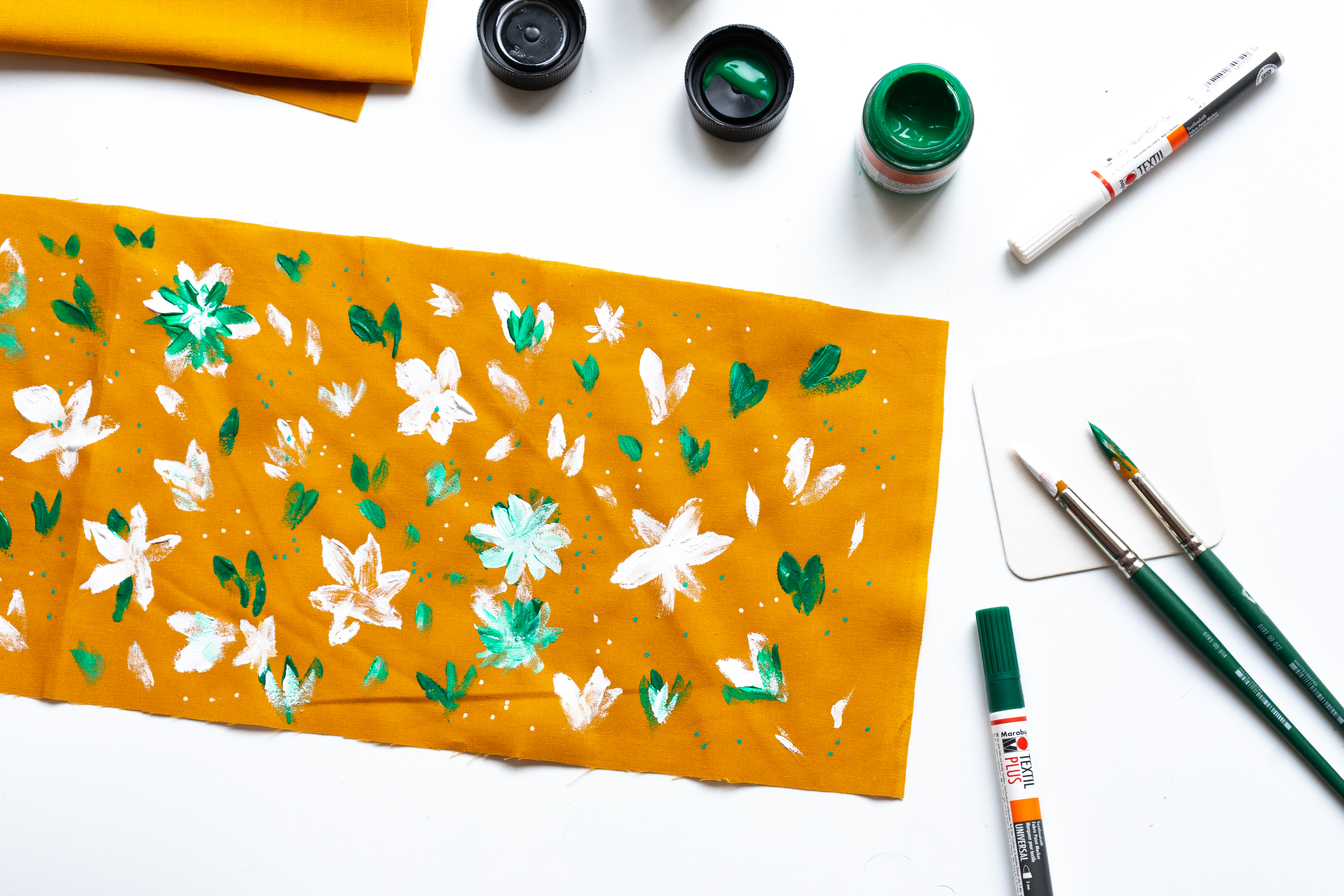
This is why there are special opaque textile paints designed for dark fabrics. They contain more pigment and cover the surface more effectively, allowing even light and vibrant colours to stand out against a dark background.
Silk and leather require a different approach and have their own specialised paints and materials. The Skizze range includes, for example, DuPont silk paints as well as Darwi leather paints and markers. As both materials deserve a more detailed introduction of their own, this post focuses primarily on more common fabrics.
Different textile paints and what you can do with them
Textile paints come in several different forms. The best choice depends on whether you want to paint, draw, print, spray larger areas or change the colour of an entire item.
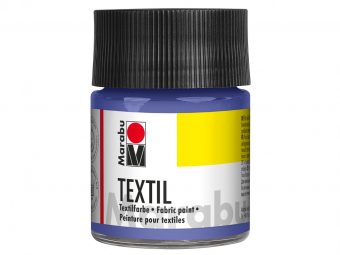
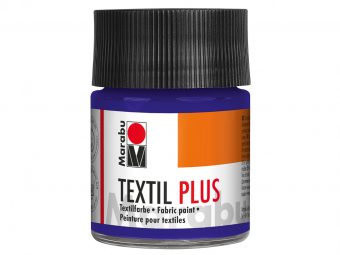
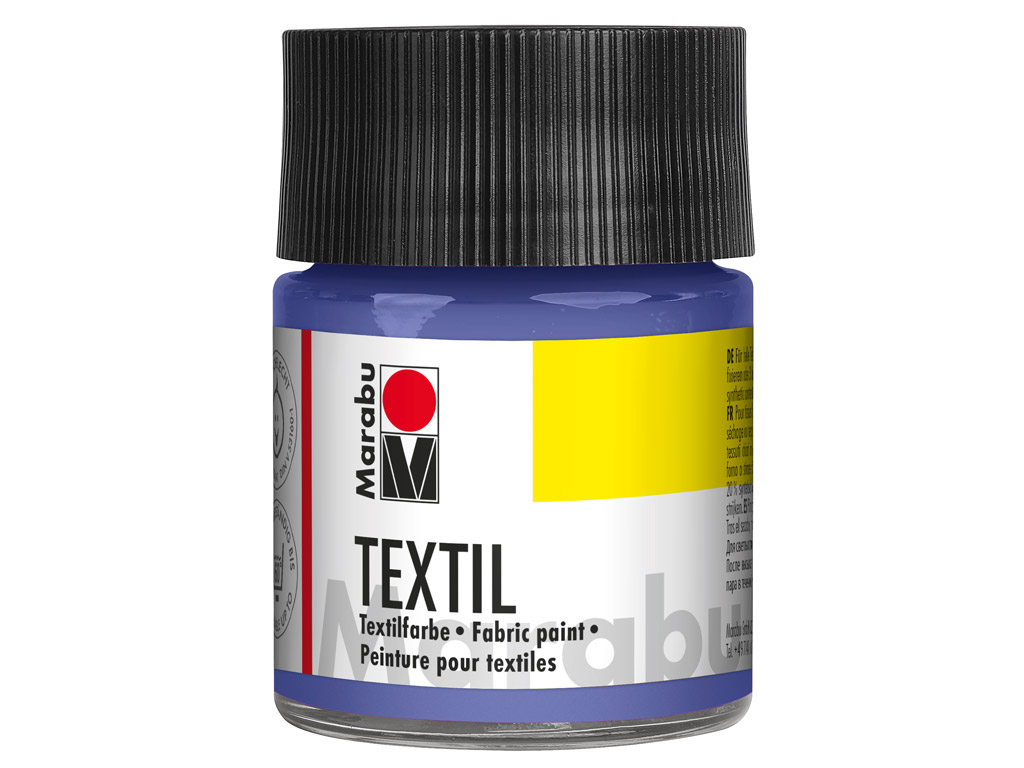
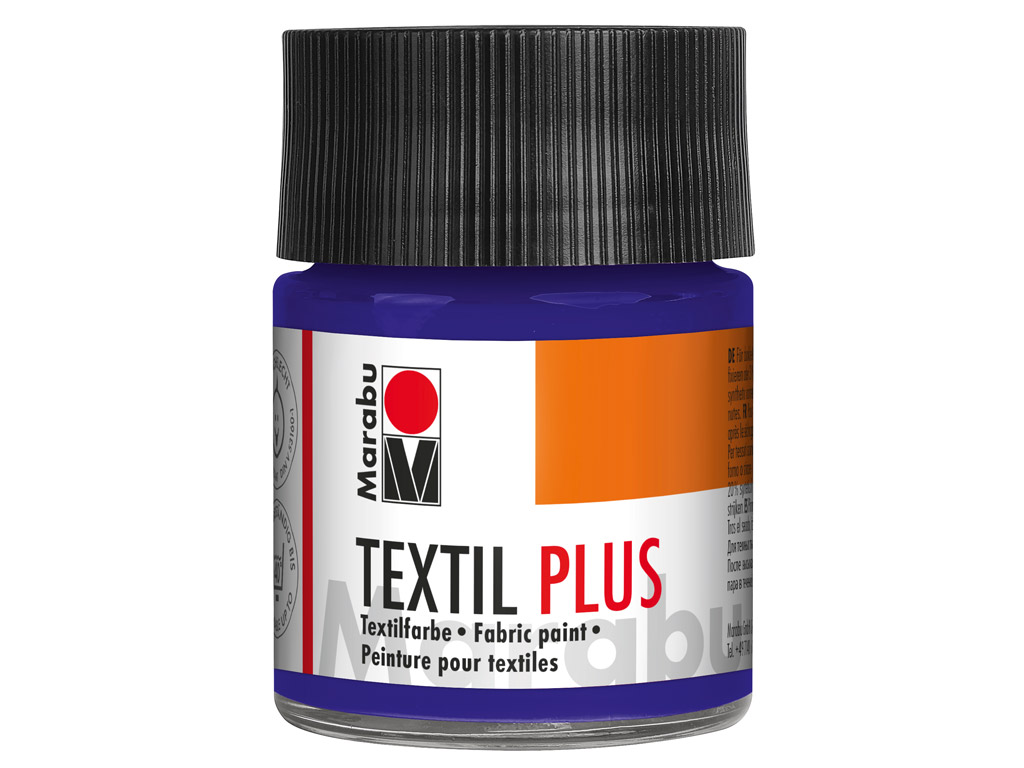
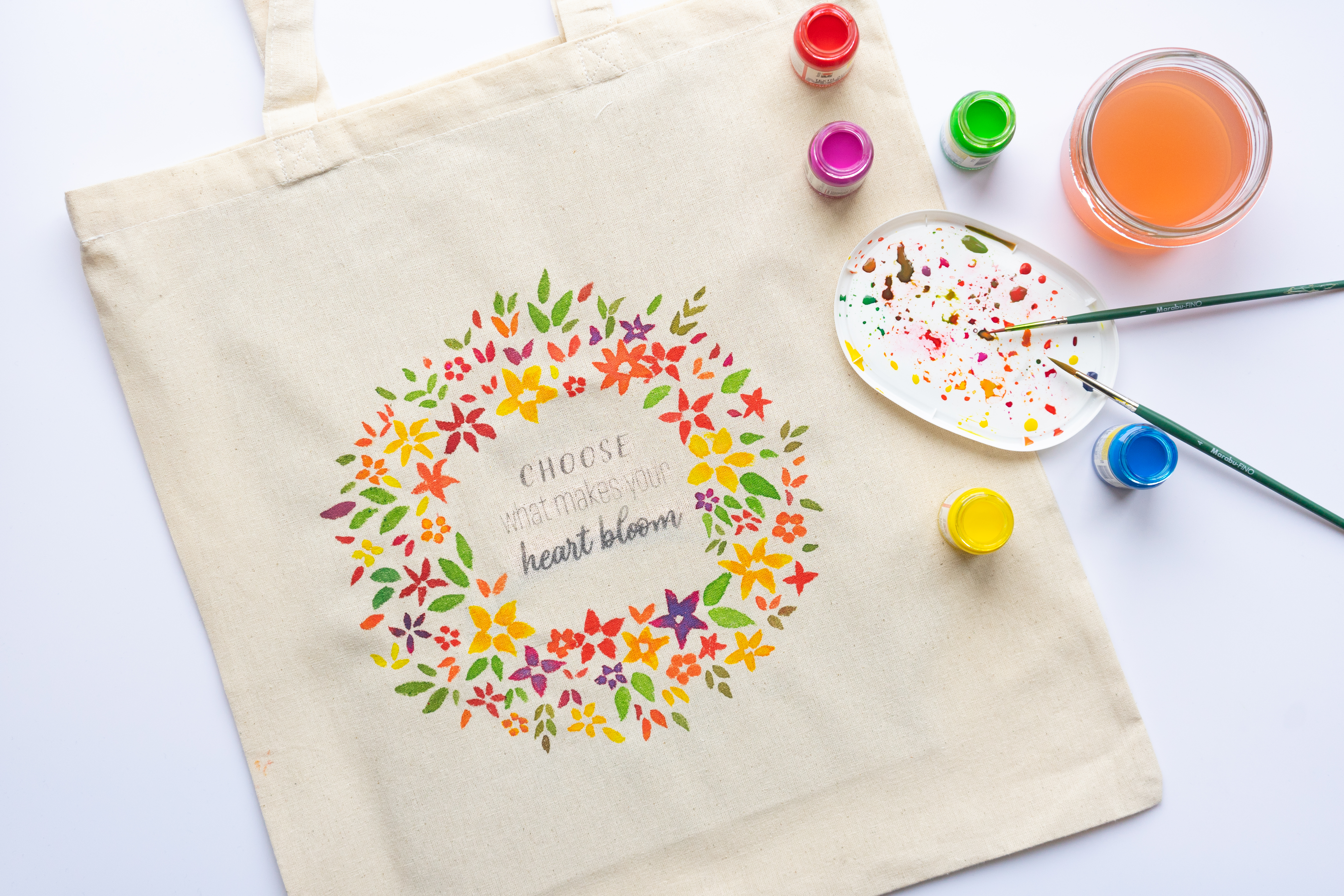
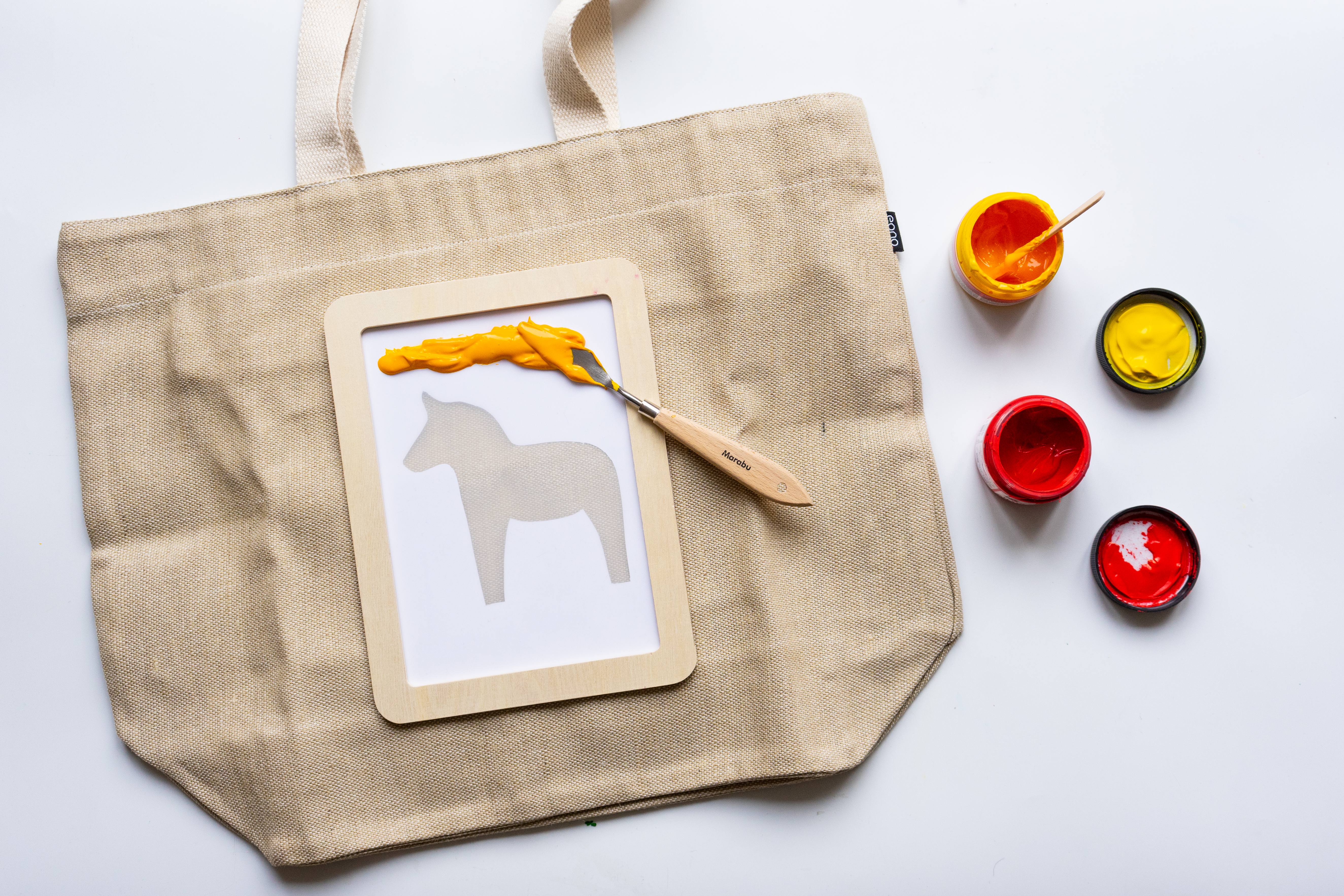
- Classic textile paints – Liquid textile paints are suitable for brush painting, stencilling and stamping. Marabu Textil is a translucent paint for light-coloured fabrics, while the more opaque and highly pigmented Marabu Textil Plus is better suited to dark fabrics. Opaque paints can also be used on light fabrics when you want a more intense and clearly defined result.
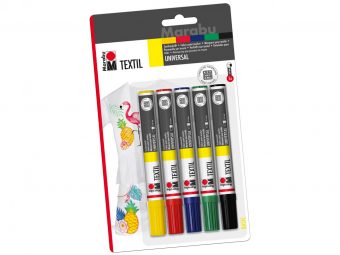
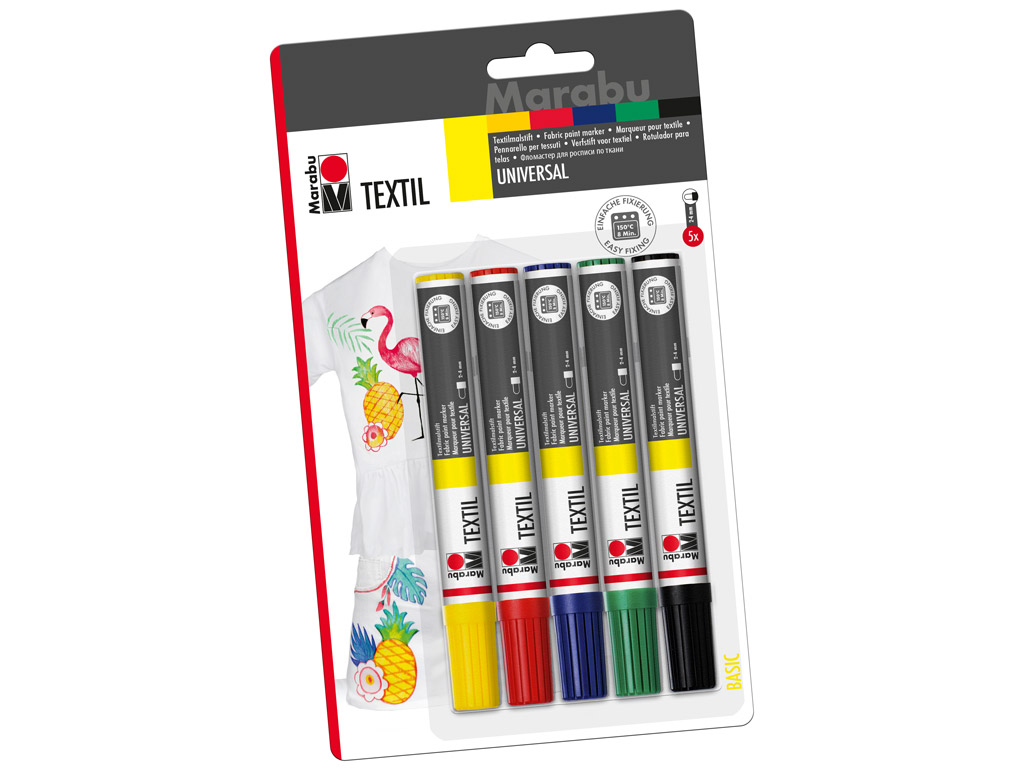
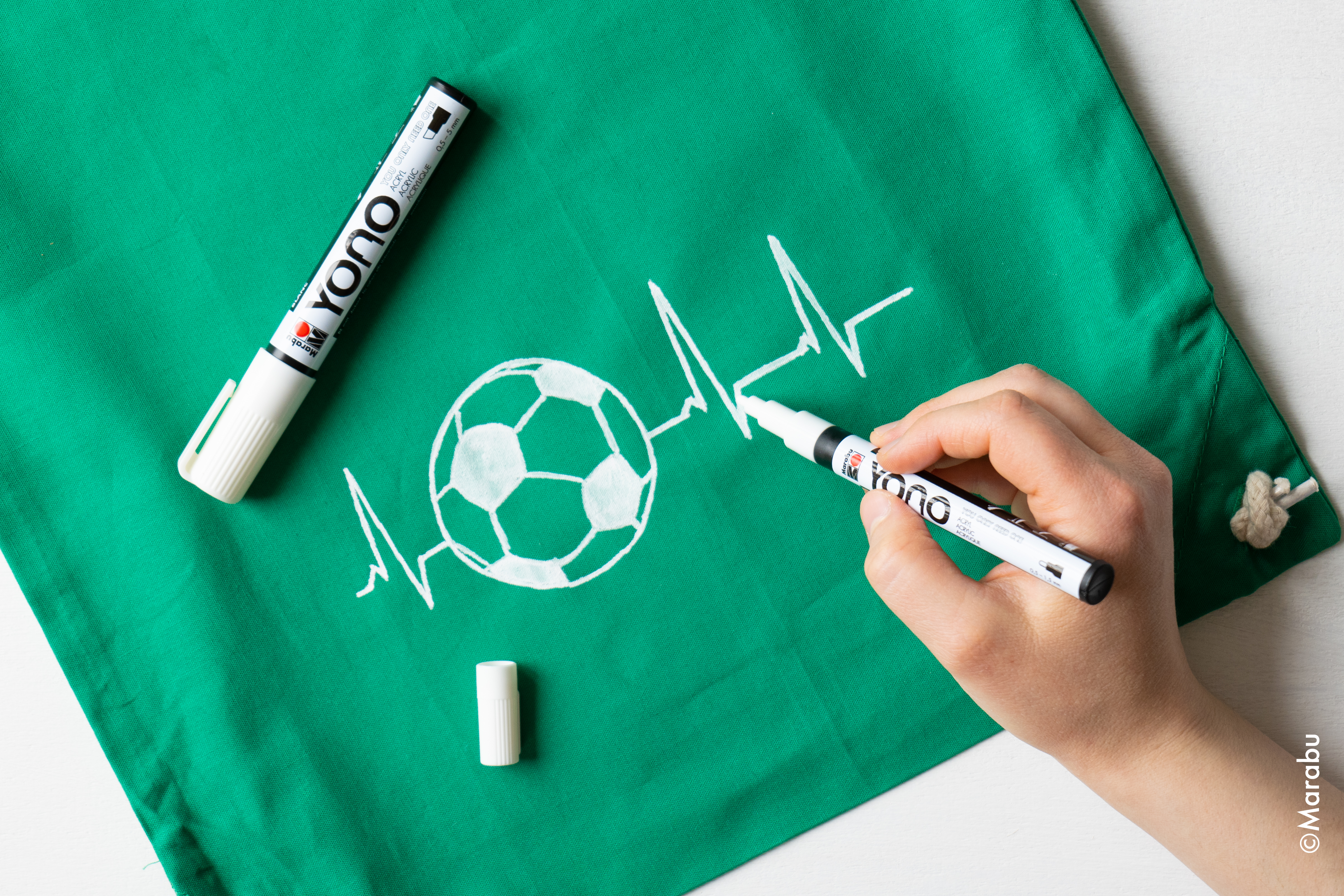
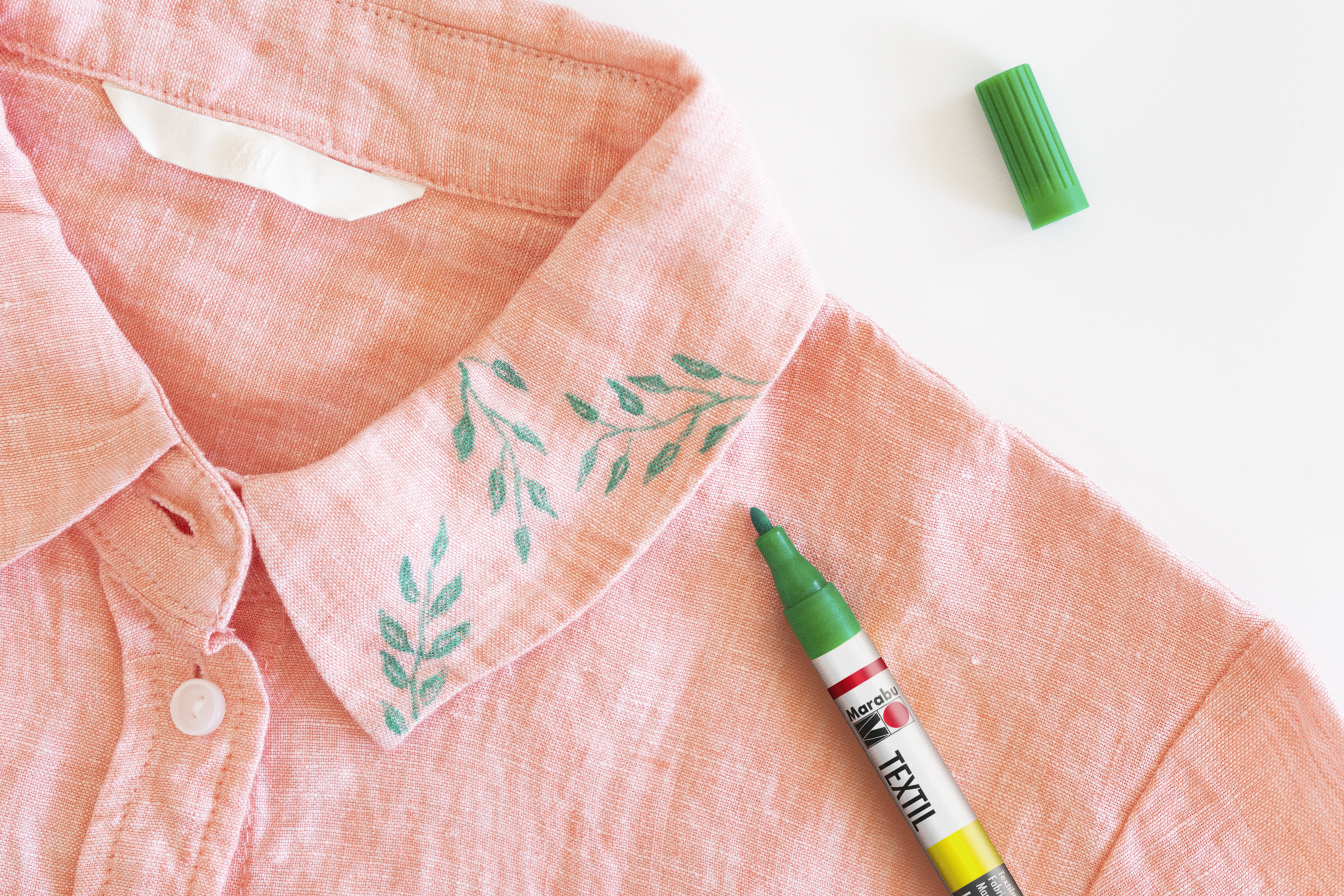
- Textile markers – Textile markers are ideal for drawing, writing, creating outlines and adding small details. Using them is similar to drawing with a regular marker, making them a convenient choice for smaller and more precise designs. When choosing a marker, pay attention to the colour of the fabric as well. Translucent markers are suitable for light fabrics, while dark fabrics require an opaque marker.
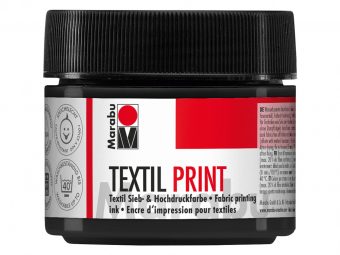
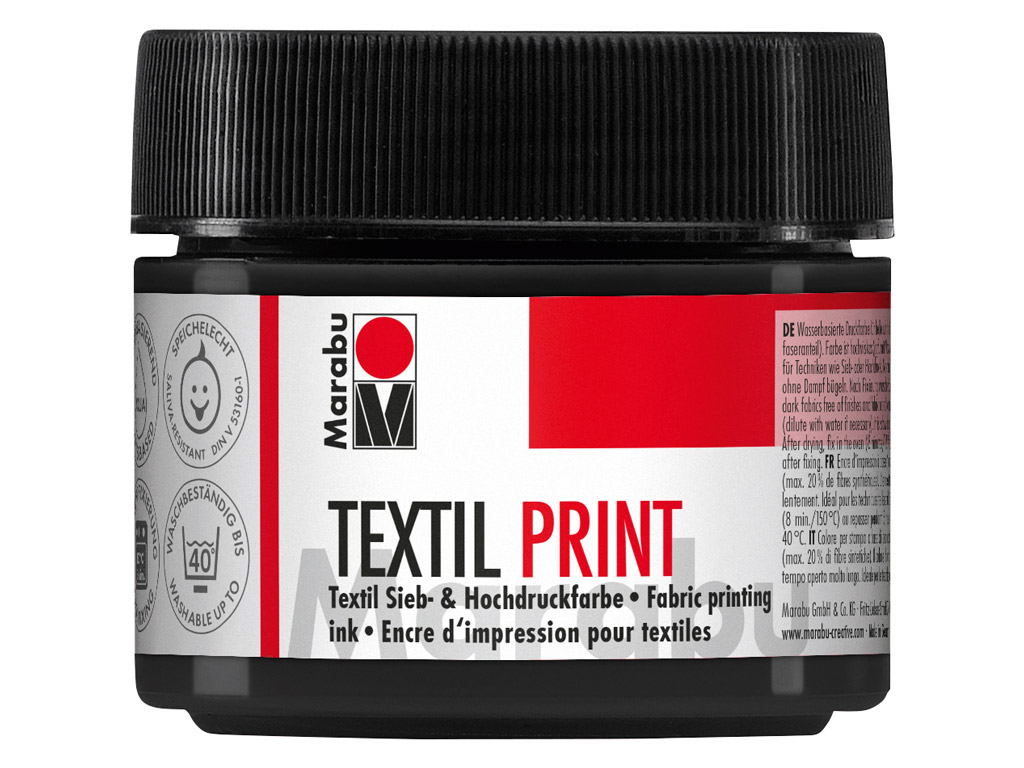
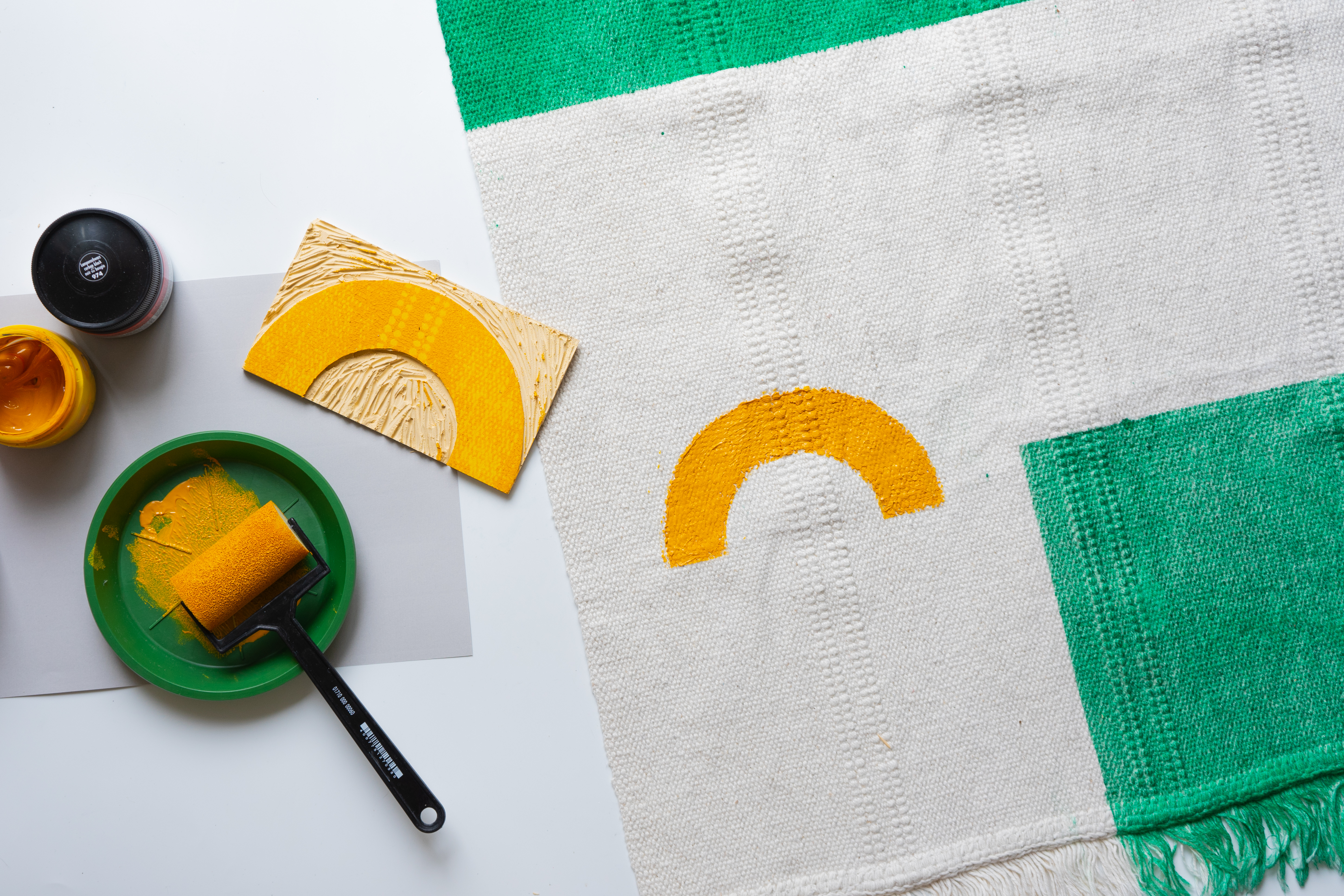
- Textile printing inks – Marabu Textil Print paints are designed for printing on fabric. They can be used with stencils, stamps, linocuts and screen printing, and their longer drying time allows you to apply the paint to a printing block or other tool without rushing. Textil Print is suitable for both light and dark fabrics and can be used to create individual designs or repeating patterns.
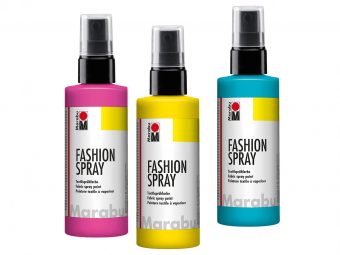
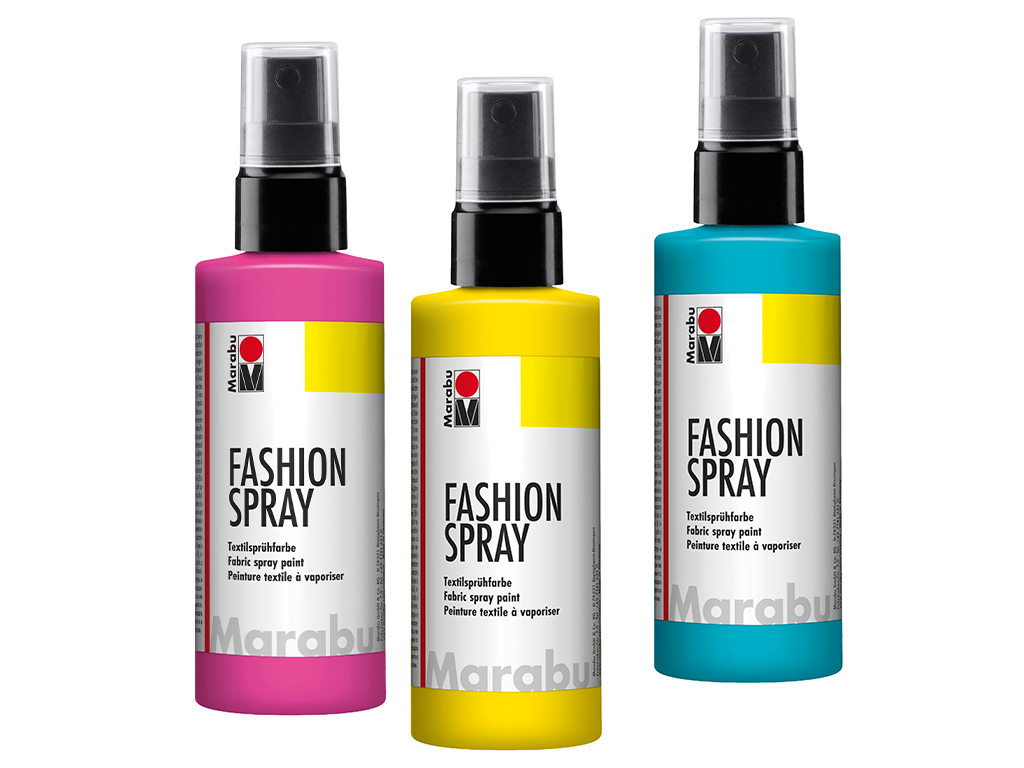
- Spray textile paints – Spray textile paints are suitable for creating soft colour transitions, diffused areas of colour, splatters and stencil designs. Marabu Fashion Spray is a pump spray textile paint that creates a characteristic slightly diffused and speckled spray pattern, making it ideal for looser effects. If you want to cover a larger area as evenly as possible, Marabu Do it aerosol paint is a better choice.
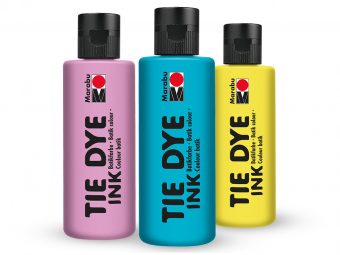
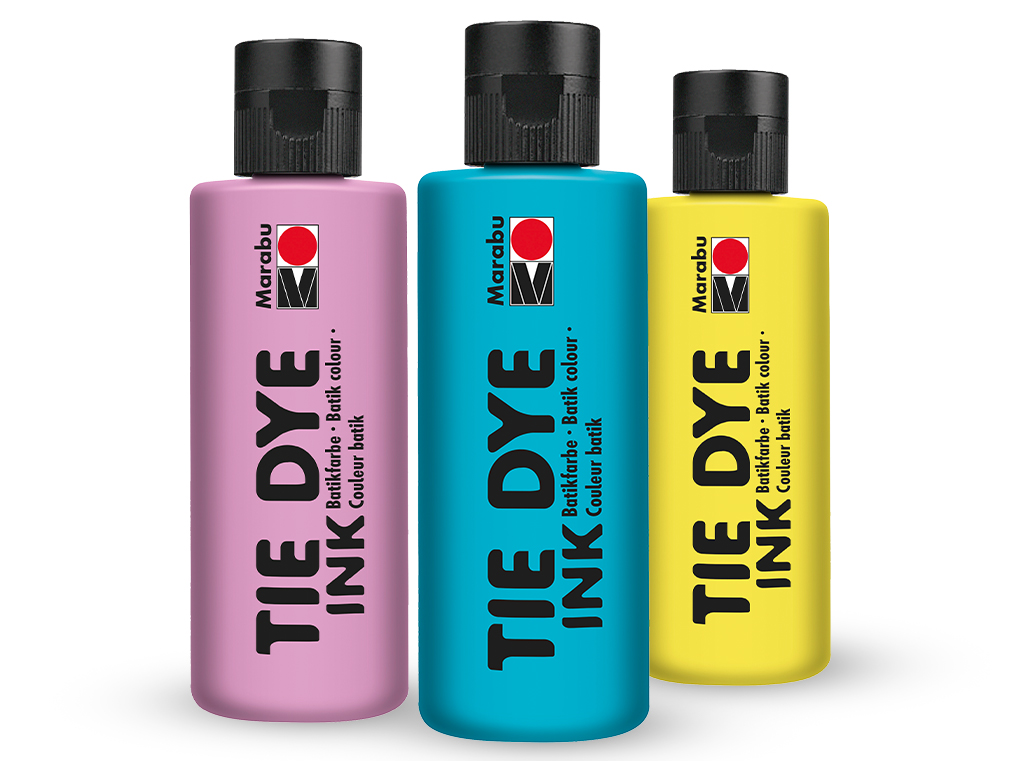
- Batik and tie-dye colours – If you want to colour an entire garment or a larger area of fabric, specialised fabric dyes are a suitable choice. In tie-dye, the fabric is folded, twisted or tied before dyeing, preventing the colour from reaching all areas evenly and creating unique patterns when the fabric is unfolded. This technique can be used to give a new look to T-shirts, socks, fabric bags and other textiles.
Can you paint and draw on fabric with other art materials?
Specialised textile paint is not the only option for creating designs on fabric. In some cases, familiar art materials can also be used, provided their properties and intended use suit the project.
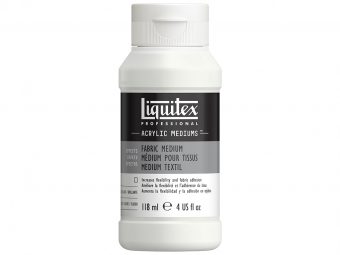
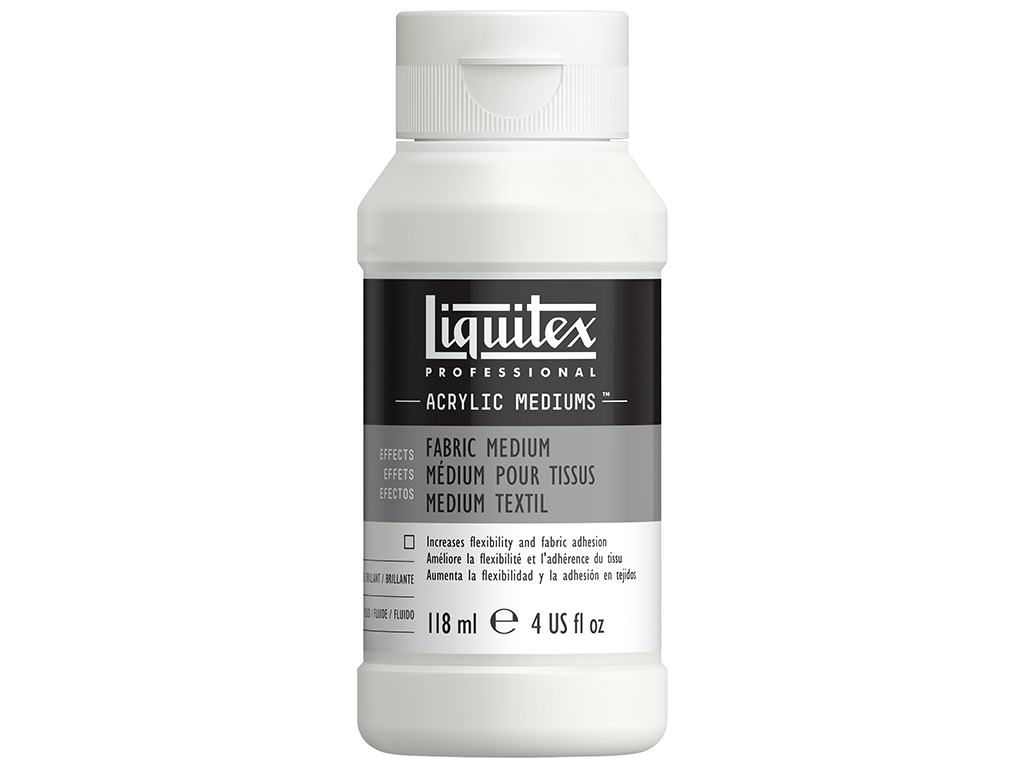
- Acrylic paint and fabric medium – Acrylic paints can be used on fabric together with Liquitex Fabric Medium. It improves the paint’s adhesion and flexibility and helps prevent the fabric from becoming overly stiff. This allows you to use your existing acrylic paints and their wide range of colours in textile projects.
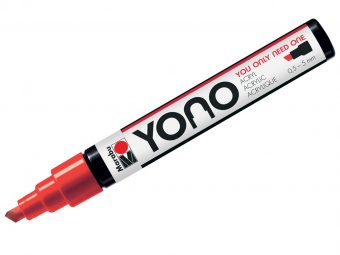
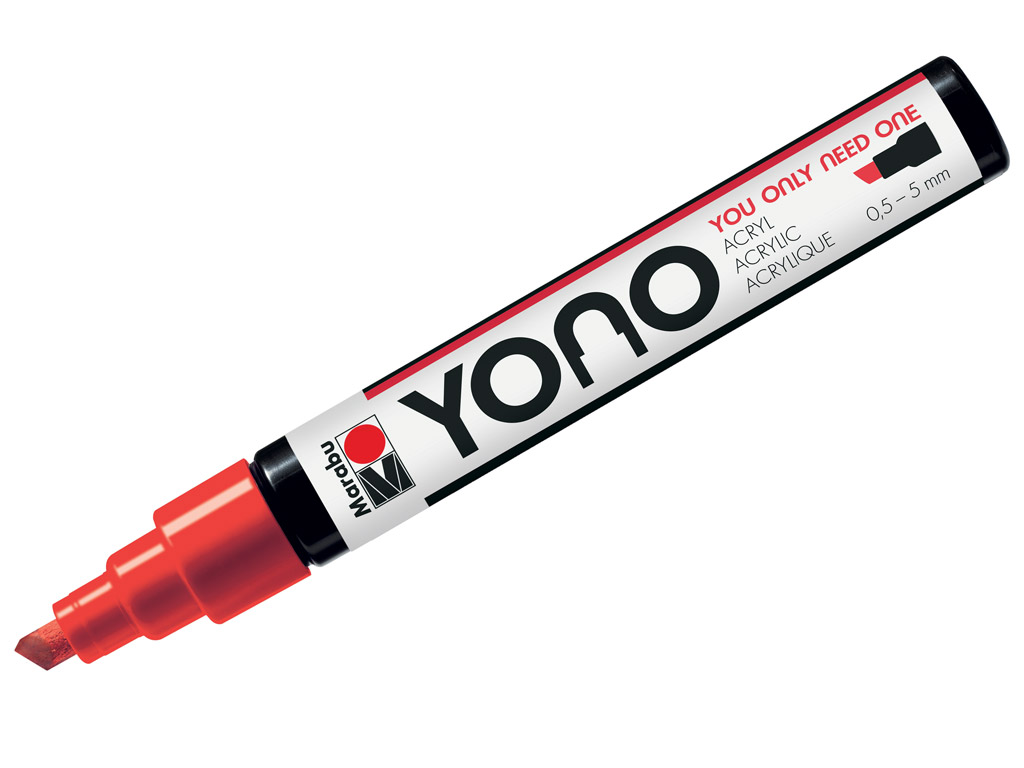
- Acrylic markers – Although acrylic markers are not specifically designed for textiles, they can be used to create smaller designs, details and lettering. They work well for decorating fabric bags and other decorative projects, but specialised textile paints are generally a better choice for covering larger areas.
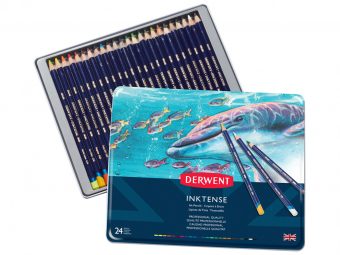
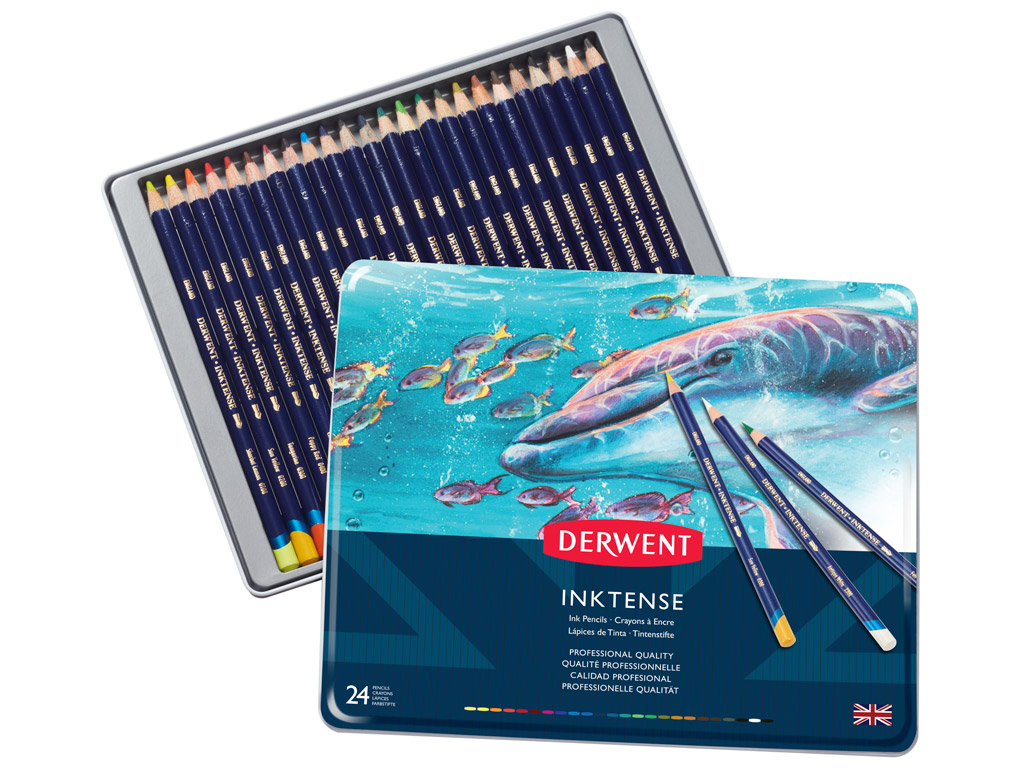
- Derwent Inktense – Derwent Inktense pencils, blocks and paint pans can be used for both drawing and painting on fabric. When used dry, they allow you to create more precise lines and details. Activating them with water produces an intense, painterly result. This makes Inktense a good choice for projects where you want to combine drawing and painting.
How to prepare fabric before painting
A good result starts before you apply the first layer of paint.
New fabric should be washed before painting to remove any finishing agents left over from manufacturing, as these may affect how well the paint adheres. Avoid using fabric softener, as it can leave a thin coating on the fabric that may reduce the durability of the paint. Allow the fabric to dry completely before painting.
When working on a T-shirt, bag or another item with multiple layers, place a protective material between the layers. This can be thick cardboard, a plastic sheet or several layers of newspaper. It will help prevent the paint from bleeding through to the other side. It is also a good idea to protect your work surface, particularly when using spray paints or more fluid paints.
Before starting a larger project, test the paint on a small or less visible area of the same fabric whenever possible. This allows you to see how the paint behaves, what the final colour looks like and how much it absorbs into the material.
How to fix the paint and care for the finished piece
Fixing and care instructions vary depending on the specific textile paint. Some paints need to be heat-set after drying, for example with an iron, while others may require a different method. Always follow the instructions provided with the particular product. Following the recommended drying, fixing and care instructions will help the paint achieve the best possible durability.
When washing the finished item, follow the care instructions for the paint you used. Properly prepared, painted and fixed textiles will retain their design best when they are also cared for according to the requirements of the chosen product.
Which material should you choose?
If the choice seems overwhelming, start by considering the fabric you want to decorate and the result you want to achieve.
For painting on light cotton fabric, a classic textile paint is a good choice. For dark fabric, choose an opaque paint. If you want to draw details, outlines or lettering, a textile marker is a convenient option. Spray paint works well for diffused areas of colour and stencil designs, while a dedicated fabric dye is the best choice for colouring an entire item or creating tie-dye effects.
If you prefer to work with familiar art materials, acrylic paint combined with fabric medium or Derwent Inktense pencils and blocks can also be suitable options.
Most importantly, always check whether your chosen material is suitable for the specific fabric and how the colour needs to be fixed once the work is complete. After that, all that is left is to choose your textile and give it a new look with colour.